
Applying to a foreign university is not only choosing a profession but also a serious bureaucratic process. Turkey is a welcoming country, but local universities strictly monitor documentation. A translation error or expired passport can cost you a year of study.
In this article, we'll break down the complete list of documents needed for application, enrollment, and obtaining a student residence permit. You'll learn when to start preparation and how to avoid common mistakes.
1. Basic Documents for Application
For the first stage — online application to the university — you'll need scans of originals. Translations at this stage aren't always required, but it's better to check the specific university's requirements.
- Passport. Validity must be at least 12-18 months at the time of application.
- Diploma or Certificate. If you're still studying — a certificate from school/college with grades for recent years.
- Transcript. Grade transcript (attachment to diploma).
- Photo. Biometric photo (like for passport), taken no more than 6 months ago.
2. Academic Exams: SAT and TR-YÖS
For admission to state universities (and for discounts in private ones), exam results are often needed.
SAT (Scholastic Assessment Test) — international exam in English (math + reading/writing). Popular in top universities (ODTÜ, Boğaziçi, Koç).
TR-YÖS (Yabancı Uyruklu Öğrenci Sınavı) — unified exam for foreigners in Turkey. Conducted centrally by ÖSYM. Includes mathematics, geometry, and logic (IQ). Since 2023, most state universities accept TR-YÖS results.
If you're applying to a private university, exams are often not required, but a high score can guarantee a discount from 25% to 100%.
— Edu.Turkish Expert
3. Language Certificates (TOEFL, TÖMER)
Education in Turkey is in Turkish or English. To avoid spending a year on preparatory courses (Hazırlık), you need to prove your language level.
- English: TOEFL IBT (usually 75-80 points), PTE are accepted. Important: IELTS is not accepted by all universities in Turkey due to state restrictions, check in advance!
- Turkish: TÖMER certificate (level B2 or C1). Can be obtained by taking the exam at accredited centers or at the university itself.
4. Document Legalization (Apostille and Denklik)
This is the most difficult stage for many students. Just translating is not enough — documents must be recognized in Turkey.
Step 1: Apostille
Put an Apostille stamp on the original diploma/certificate in your country (usually at the Ministry of Education). This confirms the authenticity of the document abroad.
Step 2: Translation and Notary
Translate the passport and diploma (with apostille) into Turkish. Have it notarized. In Turkey, it's better to do this through sworn translators (Yeminli Tercüman).
Step 3: Denklik Belgesi
Get an equivalence certificate (Denklik). This document says: "Your school diploma equals Turkish high school education." Obtained at the Turkish consulate in your country or at the education authority in Turkey.
Checklist: Admission Timeline
Common Questions (FAQ)
Ready to start admission? Choose a university right now:
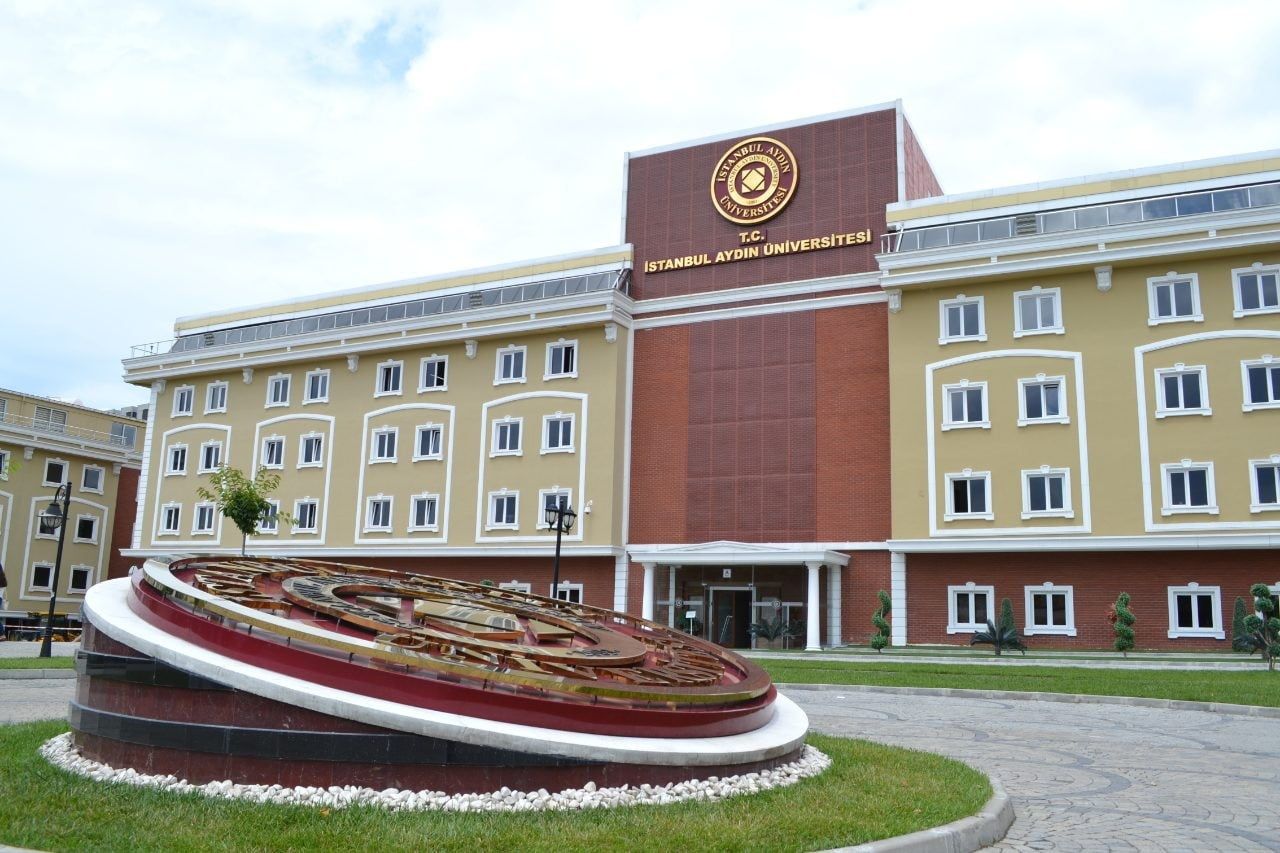
Recommended Universities

Need help with documents? We'll check your package, make translations, and submit applications for you. Contact us!