
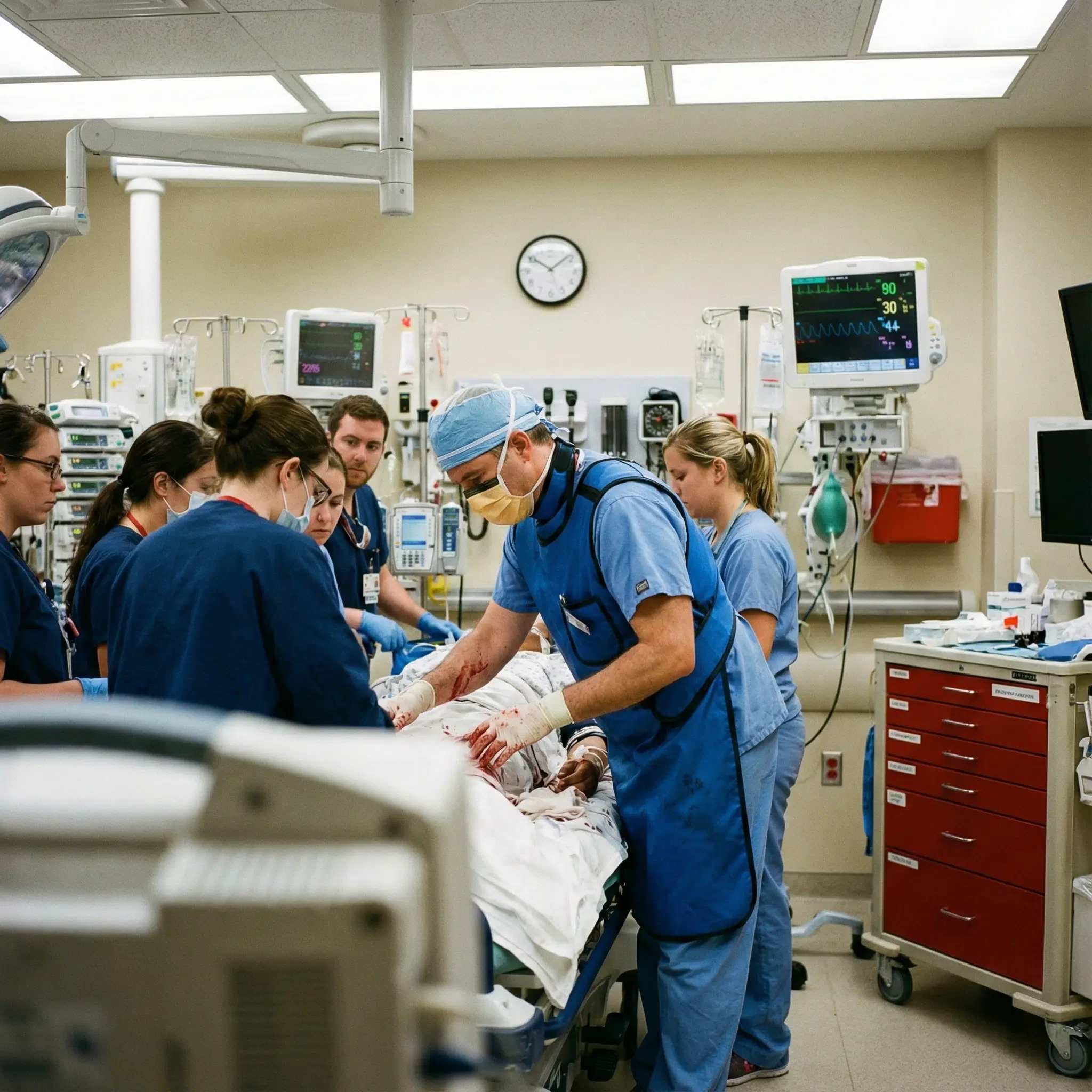
Medicine is a calling for those who want to save lives and help people. The six-year program in Turkish universities is one of the most intensive and prestigious: you'll gain deep knowledge in biomedical sciences and extensive clinical practice.
About the Program
The first years are dedicated to the foundation — anatomy, physiology, biochemistry, and pharmacology. Then you move to clinical disciplines and start working with real patients under the guidance of experienced doctors.
Graduates can choose any specialization: surgery, therapy, pediatrics, psychiatry, and dozens of other directions. Turkish medical universities are known for modern simulation centers and clinical bases where students gain practical experience even before graduation.
Who is this specialty for?
This specialty is for you if you:
Want to help people
Caring for others' health is your main motivation.
Strong in natural sciences
Biology, chemistry, and physics come easily to you.
Attentive to details
Accuracy of diagnosis depends on patient's life.
Emotionally stable
Can stay calm in stressful situations.
Curriculum
The medical program in Turkey is divided into pre-clinical and clinical stages. The first two years are fundamental sciences that form understanding of the human body. From the third year, clinical preparation begins with work in hospitals.
Years 1-2: Pre-clinical Stage
Years 3-4: Clinical Foundations
Years 5-6: Clinical Practice
Career Prospects
A medical degree opens the path to one of the most respected and in-demand professions. Doctors are always needed everywhere — this is a guarantee of a stable career.
Interesting Fact
Turkey has a rich medical history: the country's first modern hospital — Hasseki Sultan — was founded in 1550 by Sultan Suleiman the Magnificent. Today, Turkey is one of the world's medical tourism centers.
Demand for doctors in the country grows by 18% every decade thanks to technological development and population aging. Studying here, you'll gain access to modern clinics and international experience.
Student Life
Life of a medical student in Turkey is rich and demanding, but incredibly interesting. From the third year, you spend time in hospitals: participate in rounds, observe operations, and communicate with patients.
Being a medical student in Turkey means starting early on the path to a profession that will bring satisfaction throughout life.