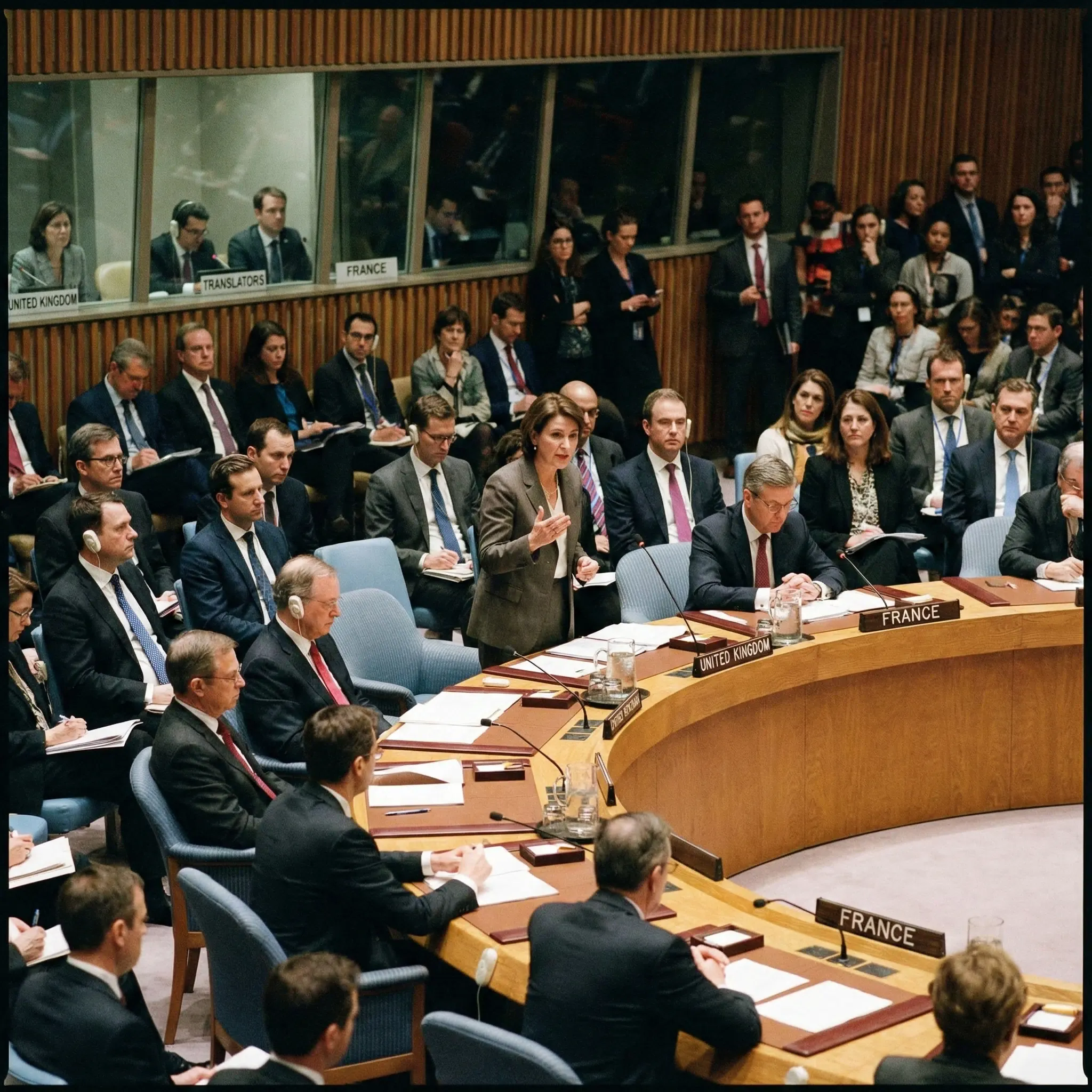
International Relations in Turkey is the specialty for those who want to understand how the world works and how states, organizations, and people interact on the global stage. The four-year program prepares analysts and diplomats capable of navigating complex geopolitical processes, international law, and global economy.
About the Program
Students study political theory, diplomatic history, international security, and regional studies, developing critical thinking and analysis skills. Turkey, located at the crossroads of civilizations and a member of NATO and G20, provides a unique perspective for studying international relations.
Graduates work in diplomatic missions, international organizations, think tanks, and media. From the first days of study, students immerse in analyzing world events, participating in model UN and discussions on global challenges.
Who is this specialty for?
This specialty is for you if you:
Fascinated by global politics
Follow international news, interested in geopolitics and want to understand why the world is organized this way.
Have developed critical thinking
Can analyze information from different sources, see different viewpoints and form your own position.
Good with languages
Understand importance of cross-cultural communication and ready to learn foreign languages.
Interested in working with different cultures
Want career in international environment and ready to work abroad.
Curriculum
The International Relations program in Turkey is comprehensive education at the intersection of political science, history, law, and economics. Over four years, students master tools for analyzing global processes and learn to understand the logic of international politics.
Year 1 — Foundation of the Profession
- Introduction to International Relations — introduces main theories and concepts
- History of International Relations — reveals evolution of world system
- Political Science — forms understanding of political processes
- Basics of International Law — introduces legal frameworks of international interaction
Years 2-3 — Professional Skills
- International Security — analyzes threats and prevention mechanisms
- International Political Economy — reveals connection between economy and politics
- Regional Studies — immerses in specifics of Middle East, Europe, Asia
- Diplomacy and Negotiations — develops practical skills
Year 4 — Professional Start
- Internship — in international organization or think tank provides real experience
- Diploma Project — demonstrates ability to analyze complex international problems
- Electives — in cybersecurity, migration, or energy policy help find specialization
Career Prospects
Graduates of the International Relations program in Turkey discover diverse career paths in diplomacy, analytics, and international cooperation. Skills for analyzing global processes are in demand in government structures, international organizations, and private sector.
- Diplomat — represents country's interests abroad, participates in international negotiations
- International Relations Analyst — researches global trends for think tanks or corporations, $45,000–85,000 per year
- International Organizations Specialist — works in UN, EU, OSCE, $50,000–100,000+ per year
- International Journalist — covers world events for media, $40,000–80,000 per year
- Political Risk Consultant — helps companies assess risks of working in different countries, $55,000–95,000 per year
- International Development Specialist — works in NGOs and development agencies on aid projects
Student Life
Student life for future international relations specialists in Turkey is immersion in world of global politics, discussions, and cross-cultural communication. Beyond the classroom, opportunities open for developing diplomatic skills and building international networks.
- Model UN — simulations of international negotiations, developing public speaking and teamwork skills
- Networking — lectures by diplomats, meetings with international organization representatives, and conferences on world politics
- International Relations Club — discussing world events, organizing debates and cultural events
- Internships — in embassies, international organizations, and think tanks
- Study Abroad — exchange programs and participation in international projects
Interesting Fact
Diplomatic mail is one of the oldest and most protected channels of international communication. According to the 1961 Vienna Convention, diplomatic mail is inviolable and cannot be opened or detained by authorities of the receiving country. Known cases include diplomatic bags carrying not only documents but also artwork, rare wines, and even pets.