
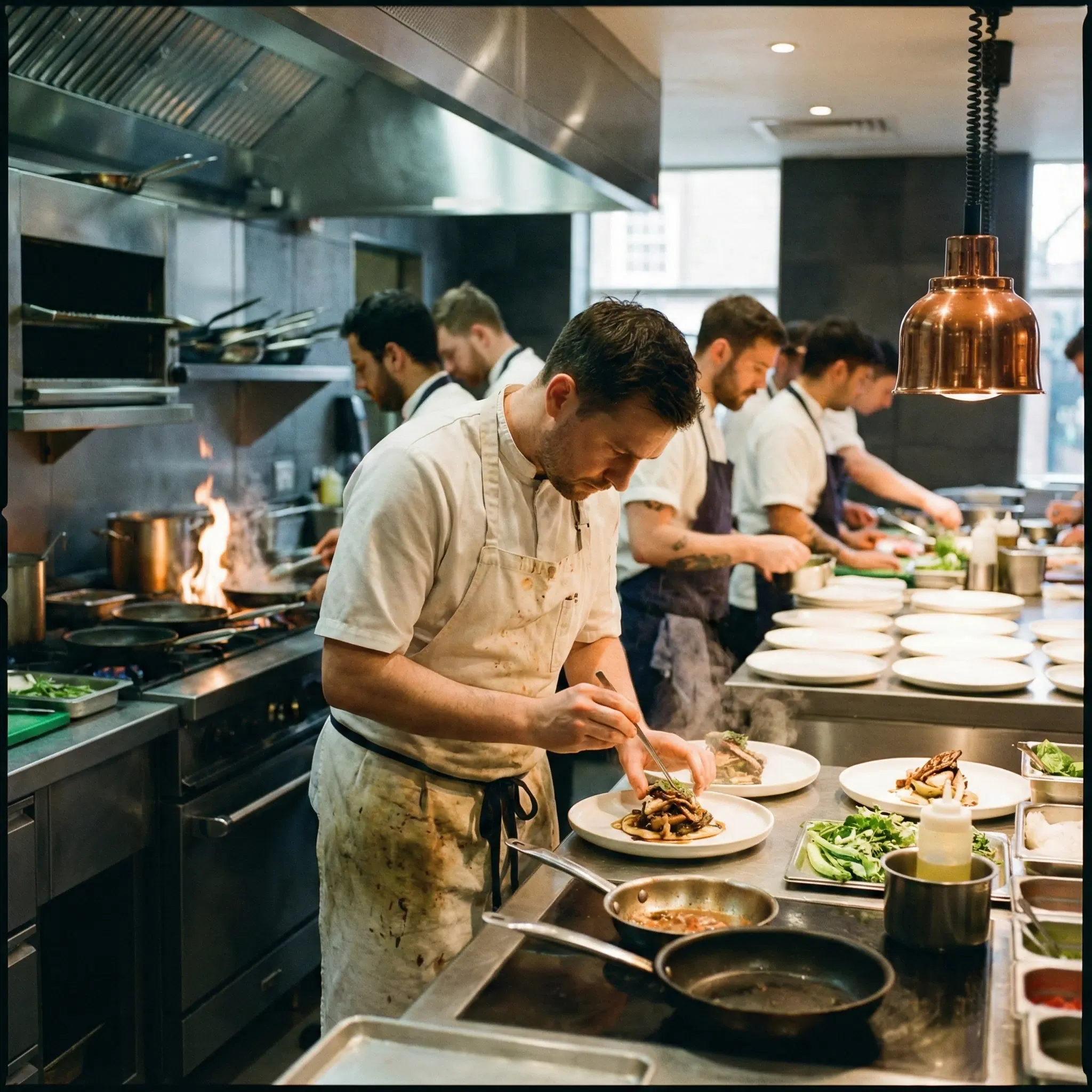
Gastronomy in Turkey is an exciting journey into the world of culinary art, where traditions meet innovation. The four-year program opens doors to a captivating industry where every dish is a work of art and every ingredient is part of a great story.
About the Program
Students immerse in culinary technologies, food science, and nutrition, gaining invaluable practical experience through internships at top restaurants, participation in prestigious culinary competitions, and own research projects.
After graduation, students are ready to conquer various fields: from fine dining and restaurant business to scientific research in nutrition and hospitality management.
From day one, students are in an environment where theory is inseparable from practice. The curriculum includes food safety, culinary mastery secrets, and rich history of world gastronomy, while electives and research projects allow each to find unique specialization.
Who is this specialty for?
This specialty is for you if you:
Truly passionate about food
Culinary arts is not just cooking, but real art, and you're ready to spend hours learning new techniques and recipes.
Love creative approach
You love experimenting, creating original dishes, and aren't afraid of unconventional solutions in the kitchen.
Attention to detail
You understand that in cooking every detail matters — from temperature to plating — and strive for perfection in every dish.
Enjoy hands-on work
Prefer active learning where you can immediately apply knowledge and see results.
Curriculum
The Gastronomy program in Turkey is comprehensive immersion in culinary art, food science, and cultural traditions of different peoples. Over four years, students progress from fundamentals to professional mastery.
Year 1 — Foundation of the Profession
- Introduction to Gastronomy — history of culinary art and modern trends
- Basic Culinary Techniques — skills needed in any professional kitchen
- Food Science — biological, chemical, and physical properties of foods
Years 2-3 — Deep Dive
- Advanced Culinary Techniques — mastering complex cooking methods
- Pastry Arts — creating desserts and baked goods
- Turkish and World Cuisine — national and international culinary traditions
- Gastronomy Management — restaurant business management basics
Year 4 — Specialization
- Electives — choosing narrow specialization by interest
- Intensive Internships — practice in restaurants, hotels, and food production
- Diploma Project — creating original culinary concept
Career Prospects
Graduates of gastronomy programs in Turkish universities open up impressive career opportunities. Culinary skills are in demand across various fields, and technical knowledge and practical experience become solid foundation for professional growth.
- Executive Chef — leading kitchen, creating original menu, responsible for quality. Salary: $60,000–100,000 per year
- Pastry Chef — specializing in desserts, cakes, baked goods, turning sweets into art. Salary: $50,000–85,000 per year
- Food and Beverage Manager — coordinating all food and drink processes in hotels and restaurants. Salary: $55,000–90,000 per year
- Culinary Arts Instructor — passing experience to new generation in culinary schools and universities. Salary: $45,000–70,000 per year
- Culinary Consultant — helping restaurants develop menus, optimize kitchen processes, and build brand. Salary: $50,000–80,000 per year
Student Life
Student life for future gastronomists in Turkey is vibrant combination of study, creativity, and unforgettable experiences. Beyond the classroom, a world of professional and personal growth opportunities opens.
- Culinary Competitions — regular competitions with talented chefs from across the country and world
- Gastronomy Festivals — platforms to showcase mastery and learn latest industry trends
- Master Classes — sessions from celebrity chefs and recognized culinary experts
- Student Clubs — Culinary Arts Club and other organizations for idea exchange and charitable projects
Interesting Fact
Molecular gastronomy — one of the most exciting directions in modern cuisine — studies chemical and physical transformations happening to food during cooking. Its pioneers were legendary chefs Heston Blumenthal and Ferran Adrià, whose restaurants were repeatedly recognized as the world's best.
Studying gastronomy in Turkey, students get unique opportunity to learn and experiment with these cutting-edge techniques, preparing to become innovators and leaders of the global culinary scene.