Turkey is in the top 10 countries in the world for the quality of medical services, and Turkish medical degrees are recognised in the EU, the CIS and the Middle East. Medical school in Turkey means 6 years of study to European standards, practice in modern clinics from year 1, and tuition 3–5 times lower than in Europe. This guide covers everything about medical education in Turkey: universities, prices, specialties and a step-by-step admission plan.
Why you should get your medical education in Turkey
Turkey ranks 4th in the world in medical tourism — patients travel here for treatment from 170 countries. Over the past 20 years the country has invested more than $30 billion in modernising healthcare: new clinics, equipment and staff training. This translates directly into the quality of medical education.
Pros and cons of medical education in Turkey
Tuition 3–5 times lower than Europe
Medical education at private universities starts from $5,000/year versus $20,000–50,000 in the EU
Degree recognised in the EU
Turkish medical degrees follow the Bologna system and are recognised through WFME
Clinical practice from year 1
Students work in university clinics and hospitals from the very first year of study
Modern equipment
University clinics are equipped to the level of the best European hospitals
English-taught programmes
More than 15 universities offer a full medicine programme in English
Medical specialties at Turkish universities
Medical school in Turkey offers several fields of study. The choice of specialty determines the length of study, the cost and the career prospects:
General Medicine (Tıp Fakültesi) — 6 years
Classical medical education: 3 years of preclinical training (anatomy, biochemistry, physiology) plus 3 years of clinical practice at a university hospital. The graduate receives an MD degree and can start specialisation (residency) in Turkey or abroad.
- Tuition: $5,000–25,000/year (private universities), $300–1,500/year (state)
- Language: English or Turkish (a choice at most private universities)
- After graduation: 1-year internship → 4–6-year residency → practising doctor
Dentistry (Diş Hekimliği) — 5 years
Dentistry is one of the most popular medical specialties among international students. Turkey is a world leader in dental tourism and demand for dentists is growing steadily.
- Tuition: $5,000–20,000/year (private universities)
- Practice: the university's own dental clinic from year 3
- Career: private practice, aesthetic dentistry clinics, research work
Pharmacy (Eczacılık) — 5 years
Pharmacy education in Turkey covers chemistry, biology, pharmacology and clinical pharmacy. Graduates work in pharmacies, pharmaceutical companies and research laboratories.
- Tuition: $4,000–15,000/year
- Language: Turkish (most programmes) or English
- Career: owning a pharmacy (with a licence), pharmaceutical companies, clinical research
Nursing (Hemşirelik) — 4 years
A nurse training programme with an international degree. Demand for nurses in Turkey, the EU and Gulf countries is extremely high.
- Tuition: $2,000–8,000/year — the most affordable medical specialty
- Duration: 4 years (bachelor's)
- Career: state and private clinics, international hospitals, working abroad
Physiotherapy and rehabilitation — 4 years
A growing field: sports medicine, rehabilitation after injuries and operations. Turkey is actively developing rehabilitation centres and demand for physiotherapists is growing by 15% a year.
- Tuition: $2,500–10,000/year
- Practice: rehabilitation centres and sports clubs
- Career: private practice, clinics, sports teams
The best medical universities in Turkey
Turkey has more than 30 universities with medical faculties that admit international students. Here are the best medical universities in Turkey for international applicants:
Istanbul Medipol University
The leader among private medical schools in Turkey. Its own Medipol Mega Hospital network is one of the largest in Europe. Students begin clinical practice from year 1.
- Location: Istanbul (4 campuses)
- Medicine: $23,000/year (English), $18,000/year (Turkish)
- Dentistry: $20,000/year
- Pharmacy: $12,000/year
- Highlight: its own 1,400-bed clinic with robotic surgery
Bahçeşehir University (BAU)
The BAU medical faculty partners with Medical Park — one of the largest private clinic networks in Turkey. Students do rotations at 30+ clinics across the country.
- Location: Istanbul (Beşiktaş)
- Medicine: $20,000/year (English)
- Dentistry: $18,000/year
- Highlight: international rotations at partner clinics in Germany and the United States
Altınbaş University
One of the most affordable private medical universities in Istanbul. A partnership with Istanbul Medical Park Hospital. A good balance of price and quality.
- Location: Istanbul
- Medicine: $15,000/year (English)
- Dentistry: $12,000/year
- Highlight: affordable prices plus the option of a discount of up to 50%
Near East University
The largest private university in Northern Cyprus (Turkish jurisdiction) with one of the best medical faculties in the region. Tuition is lower than in Istanbul.
- Location: Nicosia (Northern Cyprus)
- Medicine: $12,500/year (English)
- Dentistry: $10,000/year
- Highlight: a 650-bed university hospital, lower cost of living
Ankara Yıldırım Beyazıt University (state)
One of the best state medical universities in Turkey. A partnership with Ankara City Hospital — the largest hospital in Europe (3,800 beds).
- Location: Ankara
- Medicine: $1,200/year (for international students)
- Requirement: YÖS exam plus a high score
- Highlight: an affordable price, but tough competition
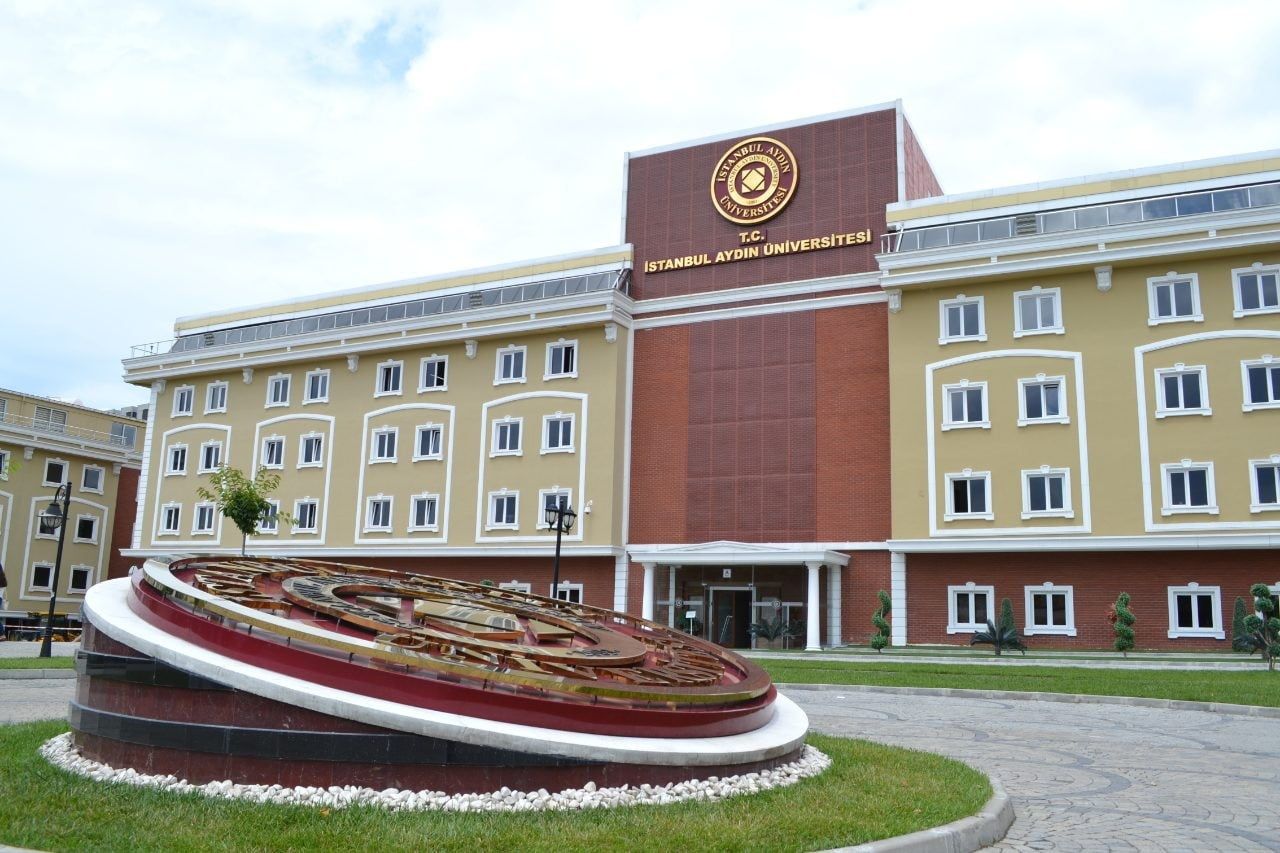
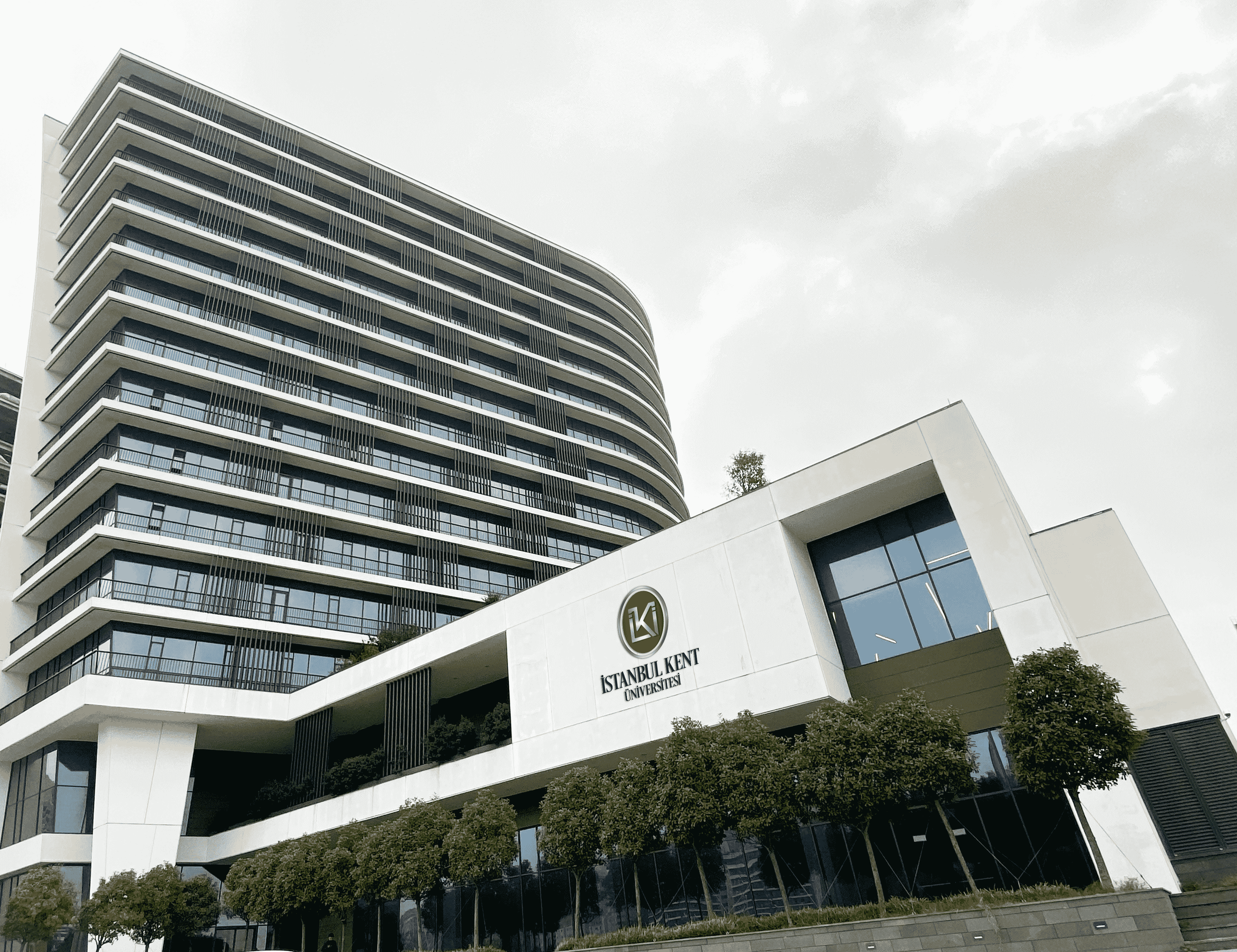
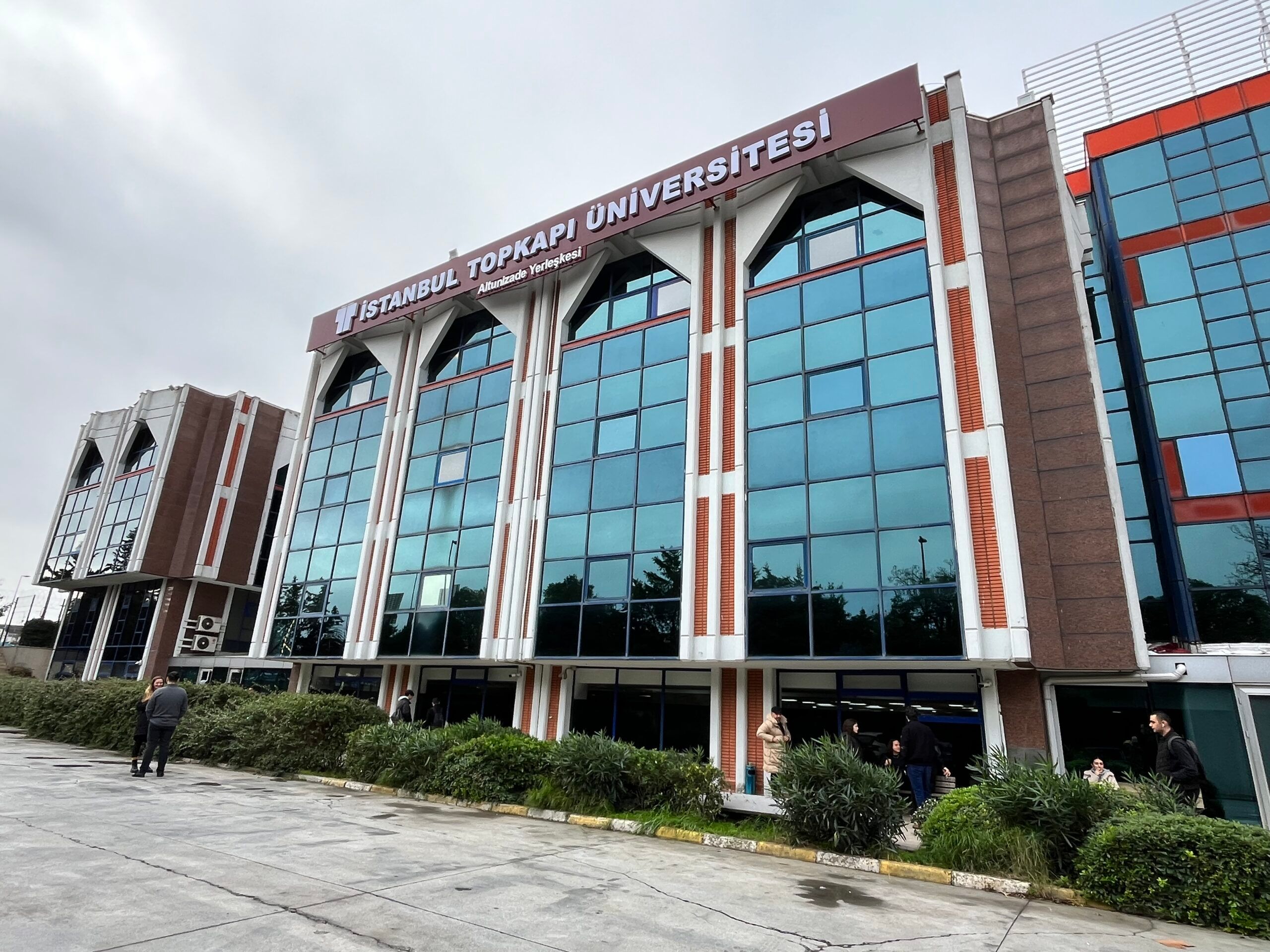
Recommended Universities
Cost of medical education in Turkey
Tuition at a medical school in Turkey varies depending on the type of university, the language of instruction and the specialty. Here are the current prices for 2026:
- State universities: $300–1,500/year — the lowest price, but the YÖS exam is mandatory
- Private universities (general medicine, English): $12,000–25,000/year
- Private universities (general medicine, Turkish): $8,000–18,000/year
- Dentistry: $5,000–20,000/year
- Pharmacy: $4,000–15,000/year
- Nursing: $2,000–8,000/year
- Physiotherapy: $2,500–10,000/year
For comparison: equivalent medical education in the Czech Republic costs $12,000–15,000/year, in Germany — $0–3,000/year (but 7–8 years long and in German), in the United Kingdom — $30,000–50,000/year. Turkey offers an optimal combination of price, quality and accessibility.
Tuition Fees
How to get into a medical school in Turkey
The admission process for medical programmes is different from other specialties — competition is tougher and requirements are stricter. Here is a step-by-step plan:
Admission to a private medical university
Admission to a state medical university
Recognition of a Turkish medical degree
One of the main questions applicants ask is whether a Turkish medical school degree will be recognised at home. The answer depends on the country:
- European Union — Turkish medical degrees are recognised through WFME (World Federation for Medical Education). Practice requires nostrification and an exam (for example, the USMLE in the US, the Approbation in Germany).
- Russia — nostrification through Rosobrnadzor plus accreditation. The process takes 6–12 months. Most Turkish medical universities are accredited.
- Kazakhstan — recognition through the Kazakh Ministry of Education. Turkish degrees are on the list of recognised qualifications.
- Uzbekistan — nostrification through the Ministry of Higher and Secondary Specialised Education. Turkish medical degrees are recognised after confirmation.
- Turkey — the degree is valid without restrictions. You can go straight into internship and specialisation.
Career prospects after medical education in Turkey
Graduates of Turkish medical universities work all over the world. Here are the main career paths:
- Specialisation in Turkey — 1-year internship → 4–6-year residency → practising doctor. A specialist's salary is from $2,000/month in state clinics and from $5,000/month in private ones.
- Working in the EU — nostrification plus a language exam → Approbation (Germany), PLAB (United Kingdom). Salary — from €4,000–6,000/month.
- Returning home — diploma nostrification → work in state or private clinics. Turkish education is valued for the hands-on training.
- Medical tourism — Turkey welcomes 1.5 million medical tourists a year. Doctors with an international education are in particular demand.
Scholarships for medical specialties
Medical programmes are the most expensive at Turkish universities, but there are ways to reduce the cost:
- University discounts: 25–50% with a school GPA of 85% or higher. Discounts on medicine are more modest than on other specialties, but $3,000–7,000 in annual savings is realistic.
- Türkiye Bursları: a full state scholarship that covers medicine. Covers tuition plus accommodation plus $300/month. Competition is very tough (5–7%).
- Discounts through Edu Turkish: as official representatives of the universities, we secure the maximum discounts for our students — up to 50% on medical programmes.
Why apply through Edu Turkish
Admission to medical programmes is harder than to other specialties: tougher competition, stricter document requirements and the right choice of university matters. That is why hundreds of medical students choose Edu Turkish:
- Free consultation — we pick a university to fit your budget and goals
- Discounts of up to 50% on medical programmes through partner agreements
- Submission to 3–5 universities at once — maximum admission chances
- Help with documents: translation, notarisation, apostille
- Full support: visa, residence permit, dormitory, bank account
- Support throughout the whole study period — we do not drop you after enrolment