When choosing a university abroad, most students start with one question: "How much will I have to spend per month?" In Turkey the answer is a pleasant surprise. The country combines quality higher education with living costs that are noticeably more modest than European equivalents. The cost of living in Turkey for students in 2026 comes from several items — housing, food, transport, leisure — and with sensible planning it stays quite manageable. Let us break down each item with concrete numbers.
Before we get to the numbers, a reminder: a full life in another country is about more than the financial side. For how relocation and settling in Turkey work, see the relocation help from Edu Turkish page. There you will also find answers to practical questions about the first weeks.
Tuition at Turkish universities
Tuition is part of the overall budget that should be taken into account from the start. Tuition depends on the type of university, the specialty and the specific programme.
State universities offer the lowest rates: $300 to $1,500 per year for international students. Getting in is harder because of competition, but the costs are incomparably lower.
Private universities charge $3,000 to $15,000 per year for most programmes. Medical specialties are more expensive — up to $45,000. However, many private universities offer international students discounts that cover up to 75% of the price. Also factor in study materials: an average of $15–30 per set, 3–6 times a year.
Edu Turkish specialists will help you pick a suitable university based on your budget and specialty in the Edu Turkish — Turkish universities catalogue.
Housing: dormitory or apartment rental
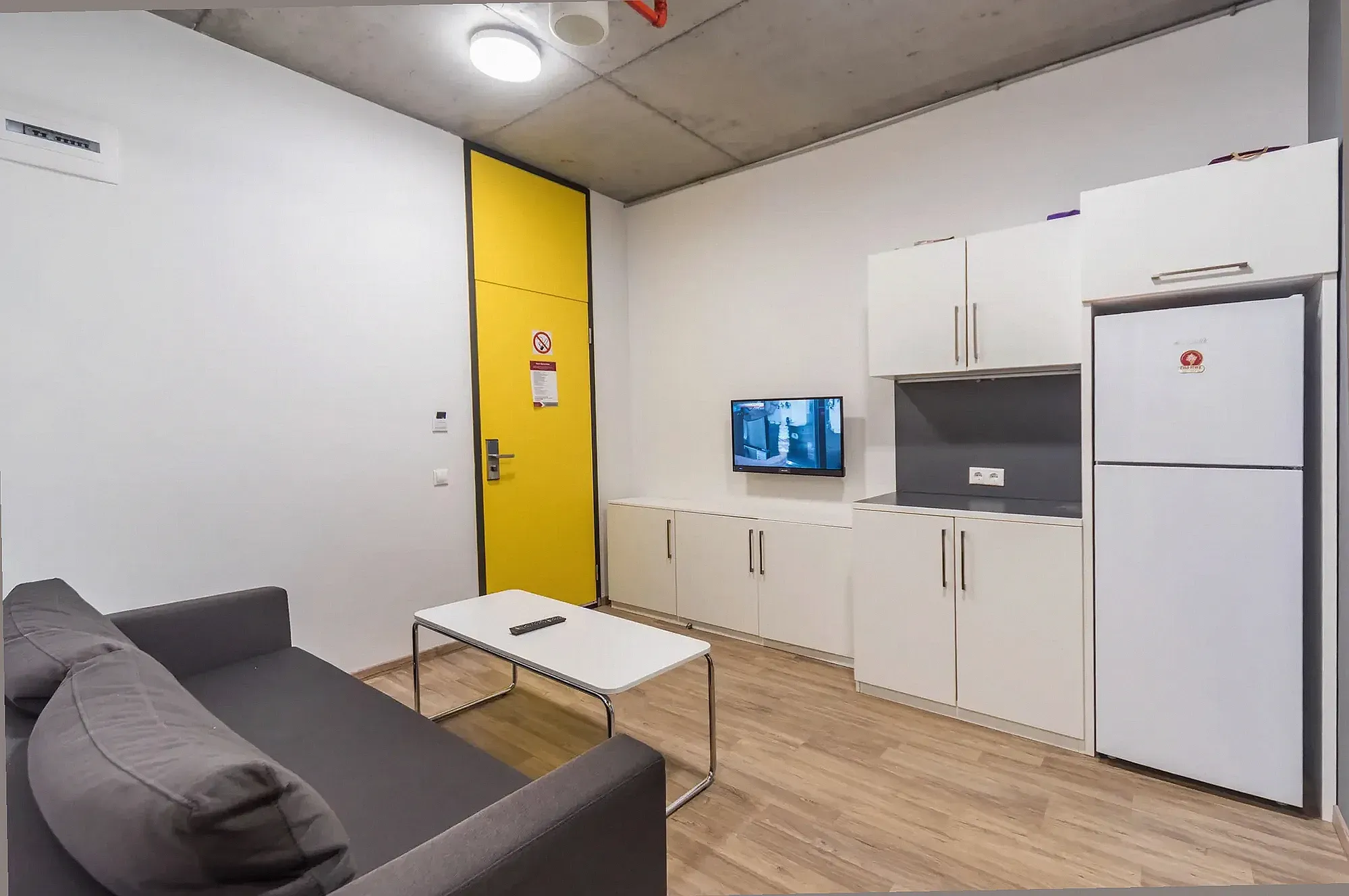
Housing is the foundation of a student's budget. The main choice is between a university dormitory and an apartment rental. For the first year specialists recommend a dormitory: it simplifies adaptation and gives you time to get familiar with the city.
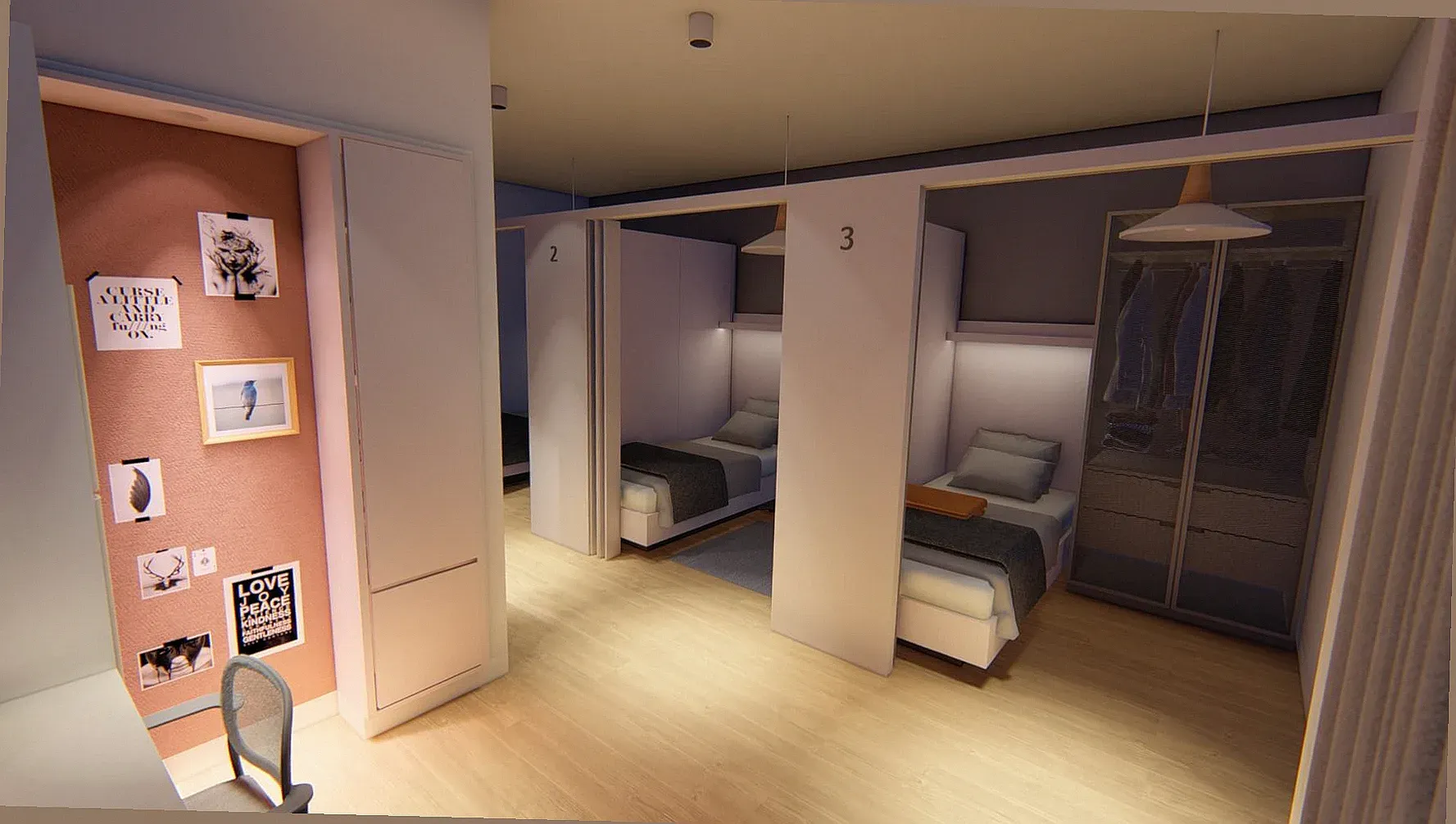
University dormitory
University dormitories come with different numbers of people per room — from single to triple. Price and comfort vary accordingly.
A triple room at Özyeğin University costs around $1,800 per year.
A single room at the same university costs around $2,800 per year.
The dormitory's location relative to the city centre affects the final price. Overall this is the most economical and safe start for an international student.
Renting an apartment in Istanbul
Renting on your own costs more, but it gives you independence. Typical prices for Istanbul in 2026:
- One-bedroom in the centre: around $500 per month
- One-bedroom outside the centre: from $350 per month
On top of the rent you will pay for utilities, internet and everyday needs — budget an extra $100–150. Before making a decision, weigh the pros and cons of both options against your priorities.
Utilities and internet
- Basic utilities (water, electricity, heating, air conditioning): $40–100 per month
- Mobile plan with 12 GB of internet or more: $6–12 per month
Transport: metro, buses and ferries
Public transport in Turkey is among the most developed in the region. Istanbul, Ankara and Izmir are covered by wide networks of metro, trams and buses. A student card (an Istanbulkart student version) opens up noticeable savings.
Metro and buses:
- Regular passenger: $0.4–1.1 per trip
- With a student card: $0.1–0.5 per trip
Ferries across the Bosphorus:
- Without a discount: $0.3–0.5 per trip
- With a student card: $0.1–0.3 per trip
For a student who uses transport every day, the savings from the student card over a semester add up to a very noticeable sum.
Food and restaurants
Turkish cuisine is a separate reason to study here. The variety and affordability of street food make meals one of the most pleasant expense items.
- Street food: $2.5–6 per portion
- Cafés and local restaurants: $5–10 per meal
- Mid-range restaurants: $10–30 per person
- Premium restaurants: $30–60 per person
- A cup of coffee: $2–3
Most students combine home-cooked meals with snacks at street spots — this keeps the budget quite moderate.
Entertainment and leisure
Turkey offers a rich cultural life, much of it available for free or with a student discount:
- Cinema: $5–7
- Concerts and sports events: $0–300 (depending on the event)
- Museums: $0–10 (most are free for students)
- Natural sites: free
- Netflix: Basic $3.33/mo. | Standard $5.00/mo. | Premium $6.67/mo.
- Spotify: $1.3/mo.
Total student budget in Turkey
To complete the picture, here are approximate monthly expenses under different scenarios:
Housing (dormitory): frugal — $150–230/mo., comfortable — $230+/mo.
Rental (alternative): frugal — $350–500/mo., comfortable — $500+/mo.
Food: frugal — $100–150/mo., comfortable — $150–250/mo.
Transport: frugal — $15–25/mo., comfortable — $30–50/mo.
Entertainment: frugal — $20–40/mo., comfortable — $50–100/mo.
Internet and connectivity: frugal — $10–15/mo., comfortable — $15–25/mo.
Total (dormitory): ~$300–460 / ~$475–655 per month.
Total (rental): ~$500–730 / ~$745–1025 per month.
Turkey remains one of the most affordable countries in Europe and Asia for an international student. For more questions about studying and living in the country, see the Edu Turkish FAQ section.